







How Telemedicine Can Reduce Healthcare Costs
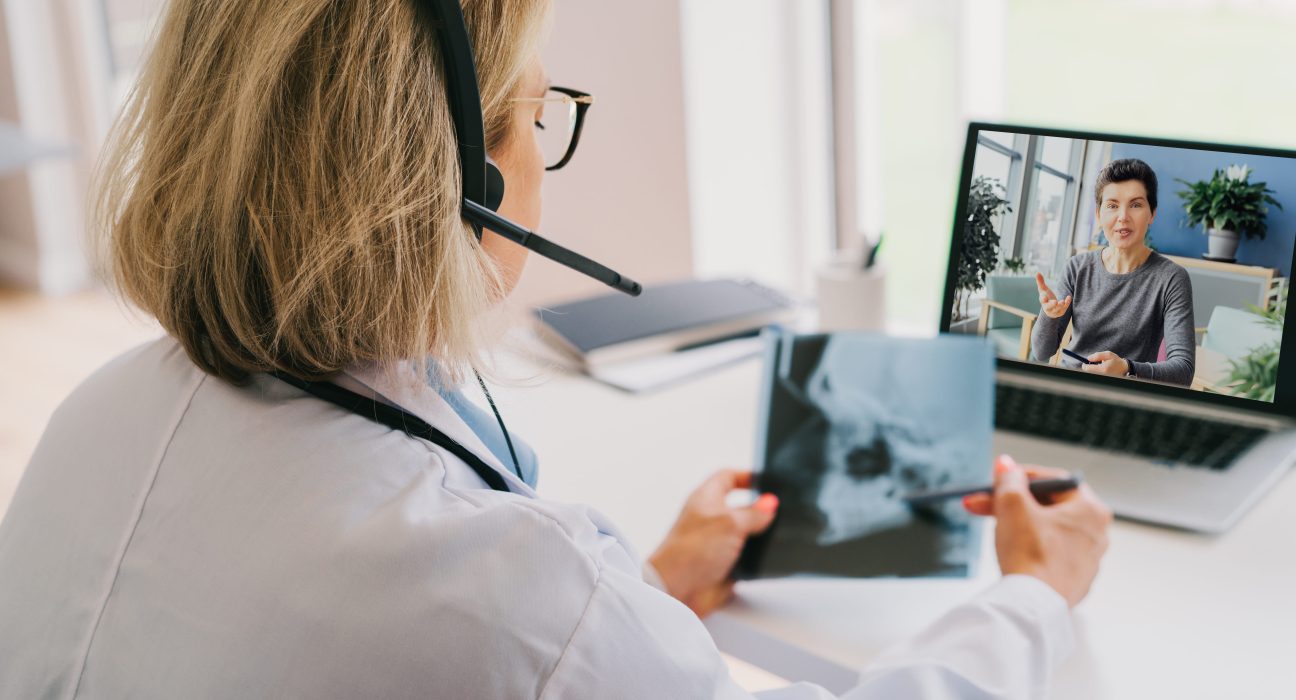
Healthcare expenses are a major concern for individuals and families, with rising costs for office visits, hospitalizations, prescriptions, and emergency care. Telemedicine has emerged as a powerful tool to help lower these expenses while providing accessible, timely, and high-quality care. By leveraging technology, telemedicine connects patients with healthcare providers remotely, making care more convenient and cost-effective.
What Is Telemedicine?
Telemedicine is the practice of delivering healthcare services using digital communication tools, including:
- Video consultations
- Phone appointments
- Secure messaging through patient portals
- Remote monitoring of chronic conditions
Unlike traditional healthcare visits that require physical presence, telemedicine allows patients to receive care from their home, workplace, or anywhere with an internet connection. It is used for primary care, mental health services, chronic disease management, specialist consultations, and urgent care.
Ways Telemedicine Reduces Healthcare Costs
1. Lower Cost for Consultations
Telemedicine visits are often less expensive than in-person appointments. Patients benefit from:
- Reduced copays and consultation fees
- Avoiding transportation and parking expenses
- Decreased need for expensive urgent care visits for minor illnesses
For example, a virtual visit for a cold, flu, or minor infection can cost significantly less than visiting an emergency room or urgent care center.
2. Prevents Costly Emergency Room Visits
Telemedicine provides immediate access to healthcare providers, which can prevent minor health issues from escalating into emergencies:
- Early evaluation and treatment reduce the need for ER visits
- Providers can issue prescriptions or recommend home care when appropriate
- Avoiding ER visits saves thousands in potential medical costs
By addressing issues early, telemedicine helps patients avoid high-cost emergency interventions.
3. Reduces Hospital Admissions and Readmissions
Hospital stays are among the most expensive aspects of healthcare. Telemedicine reduces hospitalizations by:
- Monitoring chronic conditions like diabetes, hypertension, and heart disease remotely
- Detecting complications early before they require inpatient care
- Supporting post-discharge follow-up visits to prevent readmissions
Regular remote monitoring and virtual check-ins ensure patients stay healthy and avoid costly hospital stays.
4. Improves Medication Management
Telemedicine helps patients manage medications efficiently:
- Providers can review prescriptions and ensure correct usage
- Patients can get timely refills or adjustments without extra office visits
- Reduces errors and prevents complications that can lead to expensive treatments
Effective medication management lowers costs and improves patient outcomes.
5. Reduces Travel and Lost Work Time
Traditional medical visits often require travel and time off work. Telemedicine eliminates these costs:
- No fuel, parking, or public transport expenses
- Virtual visits can be scheduled during convenient times, reducing lost wages
- Saves time for follow-ups, minor consultations, and specialist appointments
The combination of convenience and cost savings makes telemedicine particularly valuable for busy individuals and families.
Telemedicine Services That Save Money
- Primary care: Routine checkups, minor illnesses, preventive care
- Specialist consultations: Dermatology, endocrinology, cardiology, and more
- Mental health: Therapy, counseling, and psychiatric services
- Chronic disease management: Monitoring and support for diabetes, asthma, hypertension, and heart disease
- Prescription services: Remote evaluation and timely refills
Patients can address a wide range of medical needs without visiting a clinic in person, reducing overall healthcare costs.
Tips for Maximizing Telemedicine Savings
- Check your insurance coverage: Many insurance plans cover telemedicine visits at similar rates to in-person visits.
- Use telemedicine for minor illnesses and follow-ups: Conditions like colds, sinus infections, or medication adjustments are ideal for virtual care.
- Combine with prescription discount programs: Save on medications prescribed during telemedicine visits using coupons or generic alternatives.
- Participate in employer or wellness programs: Some employers offer free or discounted telemedicine services as part of health benefits.
- Schedule routine check-ins for chronic conditions: Regular virtual monitoring can prevent costly complications.
Being strategic about telemedicine use ensures maximum financial and health benefits.
Additional Benefits Beyond Cost Savings
- Increased access: Telemedicine reaches rural or underserved areas where healthcare may be limited.
- Convenience: Patients can receive care without leaving home.
- Reduced exposure to contagious diseases: Virtual visits avoid waiting rooms.
- Timely care: Faster access to providers means problems are addressed sooner.
These advantages enhance overall healthcare experience while keeping costs down.
Conclusion
Telemedicine is transforming healthcare by making it more accessible, convenient, and affordable. By lowering consultation costs, preventing emergency room visits, reducing hospitalizations, improving medication management, and saving time and travel expenses, telemedicine offers significant financial benefits. Patients can receive high-quality care from home, maintain better health, and avoid unnecessary medical expenses.
Investing in telemedicine is not only a smart financial strategy but also a practical approach to maintaining your health in today’s fast-paced world. With early intervention and ongoing remote care, telemedicine truly helps patients save money while staying healthy.