






How to Find Affordable Healthcare Without Compromising Quality

Healthcare costs are a major concern for many individuals and families. From routine checkups to specialized treatments, the expenses can quickly add up. While insurance coverage can help, out-of-pocket costs, high deductibles, and unexpected medical bills often create financial strain. The challenge lies in finding affordable healthcare without compromising the quality of care. With the right strategies, patients can access necessary medical services, save money, and maintain peace of mind.
Understand Your Healthcare Needs
The first step in finding affordable healthcare is assessing your personal and family medical needs:
- Routine care: Regular checkups, vaccinations, and preventive screenings.
- Specialty care: Chronic condition management or specialized treatments.
- Prescriptions: Medications for ongoing health issues.
- Emergency care: Planning for unexpected hospital visits.
Knowing your specific needs allows you to target the right providers, insurance plans, and cost-saving strategies, avoiding unnecessary spending on services you don’t require.
Explore Insurance Options
Insurance is one of the most effective ways to manage healthcare costs. To find affordable coverage without sacrificing quality:
- Compare plans: Look at premiums, deductibles, copays, and out-of-pocket maximums.
- Check provider networks: Ensure your preferred doctors and hospitals are included.
- Consider high-deductible plans with Health Savings Accounts (HSAs): These can save money on premiums while offering tax advantages for medical expenses.
- Employer-sponsored insurance: Often provides cost-effective coverage with negotiated provider rates.
Selecting the right insurance plan ensures you receive quality care while minimizing unnecessary expenses.
Utilize Discount and Membership Programs
For individuals without insurance or those seeking additional savings, discount health programs and membership plans are a viable option:
- Healthcare discount plans: Offer reduced rates on doctor visits, dental care, vision services, and prescriptions.
- Membership programs: Provide access to a network of providers with negotiated discounts for a fixed monthly or annual fee.
- Prescription savings programs: Help lower the cost of brand-name and generic medications.
These programs are particularly helpful for preventive care and routine medical services, allowing access to affordable care without sacrificing quality.
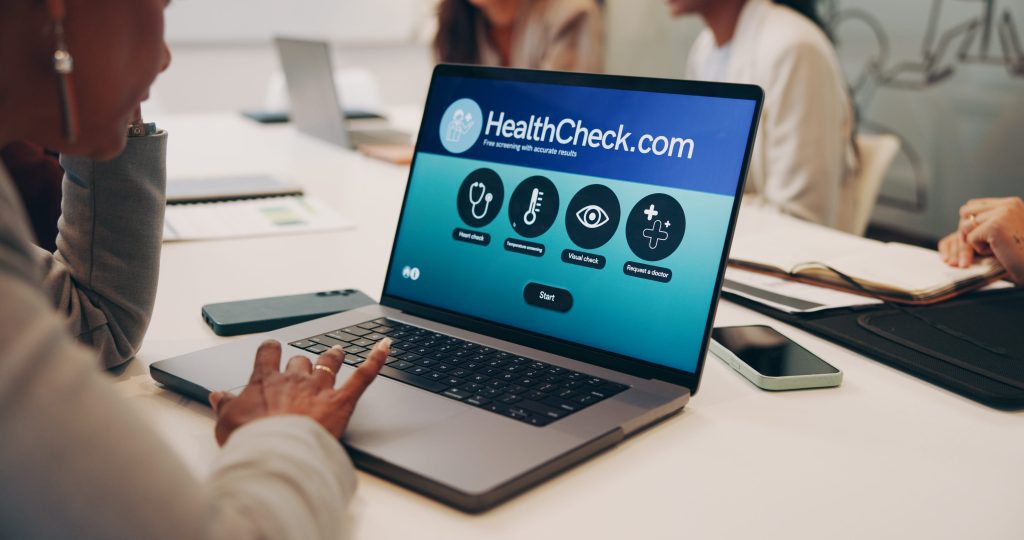
Take Advantage of Telehealth Services
Telemedicine has become an increasingly popular option for affordable and convenient healthcare:
- Lower-cost consultations: Virtual visits often cost less than in-person appointments.
- Access to specialists: Telehealth expands access to providers who may not be locally available.
- Reduced travel and time costs: Virtual care eliminates the need for commuting and waiting in clinics.
Telehealth is ideal for minor illnesses, follow-ups, mental health counseling, and chronic condition management, offering a cost-effective alternative without compromising care quality.
Shop Around for Medical Services
Healthcare pricing can vary significantly between providers and facilities. To find affordable care:
- Request itemized quotes: Ask hospitals or clinics for estimates before procedures.
- Compare costs: Use online tools and cost transparency websites to evaluate prices in your area.
- Consider outpatient centers: Many routine procedures and imaging tests cost less outside of major hospitals.
- Ask about self-pay discounts: Providers may offer reduced rates if you pay upfront or in cash.
Being proactive and comparing costs ensures you receive high-quality care at a reasonable price.
Focus on Preventive Care
Investing in preventive care is one of the most effective ways to reduce long-term healthcare costs:
- Regular checkups: Detect health issues early before they become expensive emergencies.
- Vaccinations and screenings: Prevent illness and catch conditions like diabetes, high blood pressure, or cancer early.
- Healthy lifestyle choices: Diet, exercise, and wellness programs reduce the risk of costly chronic diseases.
Preventive care is both cost-effective and essential for maintaining overall health.
Seek Financial Assistance When Needed
If you face high medical bills, don’t hesitate to explore assistance options:
- Hospital financial assistance programs: Many facilities offer sliding-scale discounts based on income.
- Charity care programs: Nonprofit hospitals may reduce bills for patients in financial hardship.
- Payment plans: Spread large expenses over time to avoid financial strain.
Being proactive about financial assistance can make even high-quality care more affordable.
Conclusion
Finding affordable healthcare without compromising quality is possible with careful planning, research, and proactive strategies. By understanding your healthcare needs, choosing the right insurance, using discount programs, leveraging telehealth, shopping for services, focusing on preventive care, and seeking financial assistance when necessary, you can access the care you need while keeping costs manageable.
Healthcare affordability is not just about paying less—it’s about making informed decisions that ensure you and your family receive high-quality, effective, and timely medical care. With the right approach, you can protect both your health and your finances.