





Navigating Health Insurance as a New Resident

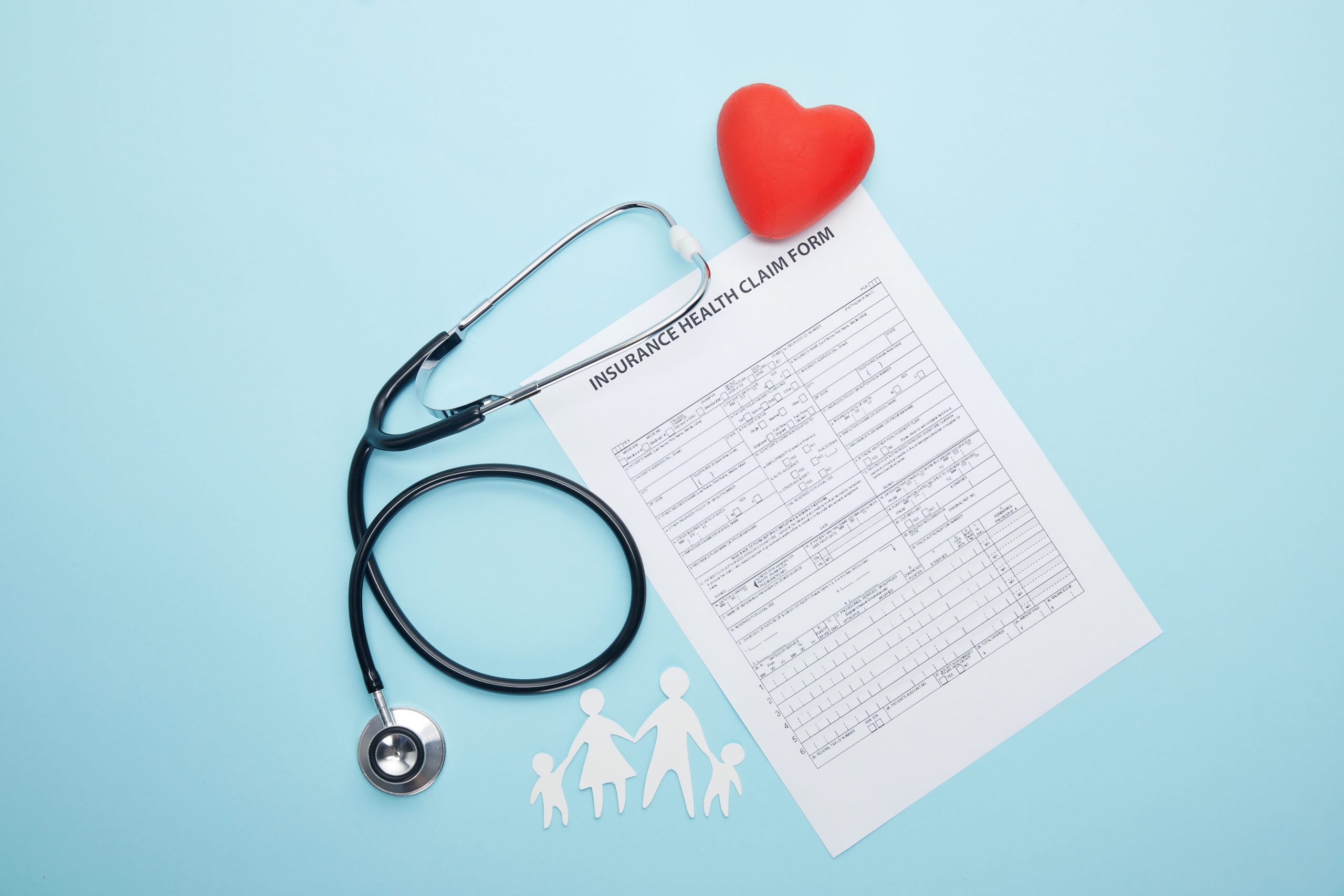
Moving to a new country brings many exciting opportunities, but it also comes with challenges—especially when it comes to healthcare. The United States has a complex health insurance system, and understanding how to access coverage as a new resident is essential. Health insurance protects you from high medical costs, ensures access to care, and helps you stay healthy. For new residents, knowing your options, eligibility, and the steps to enroll can make the process easier and more affordable.
Why Health Insurance Matters for New Residents
Health insurance is more than a legal requirement or financial safety net—it is critical for maintaining your well-being. Without coverage, even minor illnesses or injuries can lead to significant medical bills. Insurance ensures access to preventive care, routine check-ups, vaccinations, and emergency services.
For new residents, health insurance also provides peace of mind. It helps you establish care with U.S. healthcare providers, manage chronic conditions, and avoid unexpected financial burdens while settling into your new environment.
Understanding Your Options
As a new resident, your eligibility for health insurance depends on your immigration status, income, and employment situation. Here are the primary options available:
1. Employer-Sponsored Insurance
If you are employed full-time, your employer may offer health insurance as part of your benefits package. Employer-sponsored plans are often the most comprehensive and affordable option because the employer typically pays part of the monthly premium.
Key benefits:
- Coverage for doctor visits, hospital care, and prescriptions
- Premiums may be deducted pre-tax, lowering your taxable income
- Family coverage may be available
2. Health Insurance Marketplace Plans
The Health Insurance Marketplace (or exchange) is available for residents who do not have employer-sponsored coverage. Marketplace plans offer different levels of coverage, allowing you to select a plan that fits your needs and budget.
Important points:
- Depending on your income, you may qualify for subsidies that reduce monthly premiums.
- Plans cover essential health services, preventive care, and emergencies.
- Open enrollment occurs annually, but special enrollment may be available for life events like relocation.
3. Medicaid and Children’s Health Insurance Program (CHIP)
Medicaid is a state and federally funded program for low-income residents. Eligibility varies by state and immigration status, but many lawfully present residents qualify after a waiting period. Emergency services may be available even for those not fully eligible.
CHIP provides affordable coverage for children in low-income families, and many states extend eligibility to children of new residents. CHIP ensures access to preventive care, vaccinations, and routine medical services.
4. Community Health Centers
Community health centers provide low-cost medical services regardless of insurance status. These clinics often use sliding-scale fees based on income and offer primary care, preventive care, dental services, and mental health support.
Tip: Locate federally qualified health centers (FQHCs) in your area for affordable care while you arrange insurance coverage.
5. Short-Term or Limited Coverage Plans
Short-term health insurance plans provide temporary coverage for new residents who are waiting for eligibility for other programs. These plans may have lower premiums but often exclude pre-existing conditions and certain services.
Tips for Choosing the Right Coverage
- Assess Your Needs: Consider your health status, anticipated medical needs, and whether you need coverage for dependents.
- Compare Plans: Look at premiums, deductibles, co-pays, and provider networks. Ensure your preferred doctors and hospitals are included.
- Check Eligibility: Review eligibility requirements for employer plans, marketplace options, Medicaid, and CHIP based on your immigration status.
- Use Assistance Resources: Certified health insurance navigators, immigrant advocacy organizations, and community health centers can help you understand your options and enroll in a plan.
- Plan for the Future: Health insurance needs may change over time, so reassess coverage annually or when your personal or financial situation changes.
Overcoming Common Challenges
New residents often face obstacles such as language barriers, unfamiliarity with U.S. healthcare terminology, and concerns about eligibility. To address these challenges:
- Seek multilingual resources and translation assistance.
- Consult local immigrant support organizations for accurate guidance.
- Understand that accessing healthcare, especially emergency services, does not typically affect immigration status.
Conclusion
Navigating health insurance as a new resident in the U.S. can feel overwhelming, but understanding your options and planning carefully makes the process manageable. Employer-sponsored plans, marketplace coverage, Medicaid, CHIP, community health centers, and short-term plans provide multiple pathways to affordable and effective healthcare.
By assessing your needs, reviewing eligibility, comparing options, and seeking assistance, you can secure coverage that protects your health and financial well-being. With the right plan in place, new residents can focus on building their lives in the U.S. with confidence, knowing that medical care is accessible when needed.