

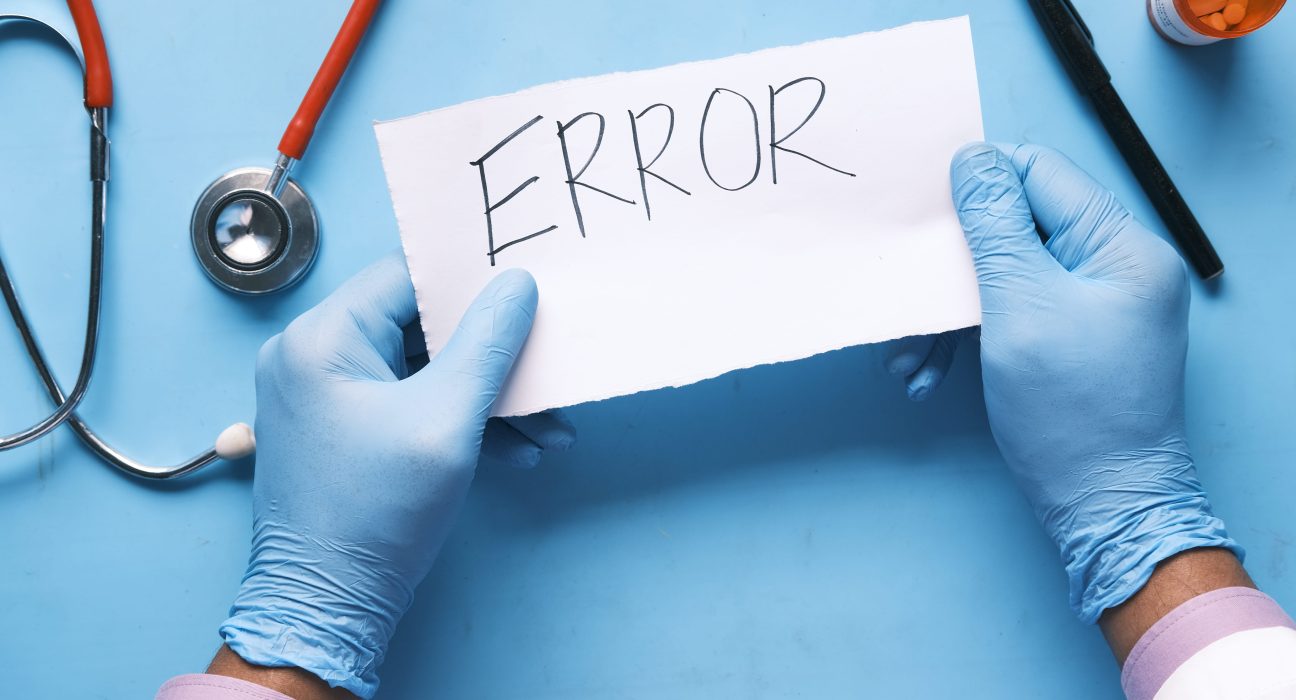
Medical billing errors are more common than many people realize, and they can lead to unnecessary stress, delayed payments, and unexpected financial burdens. While healthcare providers and insurance companies strive for accuracy, mistakes can still occur due to human error, miscommunication, or system issues. The good news is that many billing errors can be prevented with a proactive approach. Understanding how the billing process works and taking a few simple steps can help you avoid costly mistakes.
Why Medical Billing Errors Happen
Before learning how to prevent errors, it’s important to understand why they occur. Common reasons include:
- Incorrect patient information
- Miscommunication between providers and insurers
- Errors in billing codes (CPT or ICD)
- Missing insurance details
- Administrative or data entry mistakes
These issues can result in denied claims, overcharges, or confusion about what you actually owe.
1. Verify Your Information at Every Visit
One of the simplest ways to prevent billing errors is to ensure your personal and insurance information is accurate. At every appointment:
- Confirm your name, address, and contact details
- Double-check your insurance ID and policy number
- Inform the provider of any changes in coverage
Even a small mistake, like a misspelled name or incorrect policy number, can lead to claim rejections or delays.
2. Understand Your Insurance Coverage
A strong understanding of your insurance plan can help you avoid surprises. Make sure you know:
- Your deductible (the amount you must pay before insurance kicks in)
- Your copay (a fixed fee for certain services)
- Your coinsurance (your share of costs after the deductible)
- What services are covered and what are not
Knowing these details helps you anticipate costs and identify errors when reviewing your bill.
3. Ask for Cost Estimates in Advance
For planned procedures, tests, or treatments, ask your provider for a cost estimate ahead of time. This helps you:
- Understand expected charges
- Compare costs if multiple providers are available
- Avoid unexpected high bills
While estimates may not always be exact, they provide a helpful baseline for identifying discrepancies later.
4. Keep a Record of Your Medical Services
Maintaining your own records is one of the most effective ways to prevent billing errors. Keep track of:
- Dates of appointments
- Names of providers
- Tests, procedures, or treatments received
- Prescriptions and medications
Having a personal record allows you to compare it with your medical bill and quickly identify any inaccuracies.
5. Review Bills and Insurance Statements Promptly
When you receive a medical bill or an Explanation of Benefits (EOB) from your insurance company, review it as soon as possible. Look for:
- Duplicate charges
- Services you didn’t receive
- Incorrect dates or providers
- Missing insurance adjustments
Comparing your bill with your EOB ensures that insurance payments and adjustments have been applied correctly.
6. Check Billing Codes
Medical bills include CPT (Current Procedural Terminology) and ICD (International Classification of Diseases) codes that describe services and diagnoses. Errors in these codes can lead to incorrect charges or claim denials.
- Verify that codes match the services you received
- Ask your provider for clarification if something seems unfamiliar
- Use online resources to check code meanings if needed
Accurate coding is essential for proper billing and insurance processing.
7. Communicate Clearly With Your Provider
Clear communication with your healthcare provider can prevent misunderstandings that lead to billing errors. Don’t hesitate to:
- Ask questions about recommended procedures or tests
- Confirm whether services are covered by your insurance
- Request clarification on any part of your bill
Being informed helps you catch potential issues before they become bigger problems.
8. Use In-Network Providers
Whenever possible, choose providers within your insurance network. Out-of-network services often result in higher costs and more complex billing.
- Verify that your doctor, hospital, or specialist is in-network
- Confirm that labs or imaging centers used by your provider are also covered
This step can significantly reduce the risk of unexpected charges.
9. Stay Organized
Keeping your documents organized makes it easier to track and prevent billing issues. Create a system for storing:
- Medical bills
- EOBs
- Receipts and payment records
- Correspondence with providers and insurers
Having everything in one place ensures you can quickly resolve any discrepancies.
Conclusion
Preventing medical billing errors starts with awareness and proactive involvement. By verifying your information, understanding your insurance coverage, reviewing bills carefully, and maintaining clear communication with your provider, you can significantly reduce the chances of errors. Taking these steps not only saves money but also helps you feel more confident and in control of your healthcare finances. With the right approach, medical billing doesn’t have to be stressful—it can be manageable and transparent.