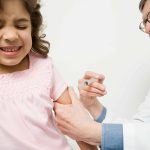



Vaccinations are a crucial part of preventive healthcare, protecting individuals from diseases like influenza, COVID-19, shingles, hepatitis, and human papillomavirus (HPV). Staying current on vaccines not only keeps you healthy but also reduces the spread of infectious diseases in your community. In 2026, most health insurance plans recognize the importance of vaccines and provide coverage to help minimize or eliminate out-of-pocket costs. Understanding how different insurance plans cover immunizations can help you maximize benefits, protect your family, and stay on schedule with recommended vaccines.
1. Employer-Sponsored Health Insurance
Many Americans receive health insurance through their employer. Employer-sponsored plans typically cover preventive vaccines as part of their wellness benefits:
- Preventive coverage: Vaccines such as influenza, COVID-19, Tdap, and shingles are often fully covered.
- No copay or deductible: Most in-network vaccinations are provided at no additional cost.
- On-site clinics and wellness programs: Some employers provide flu shots, COVID-19 boosters, and other vaccines directly at the workplace, making it convenient for employees to get vaccinated without taking time off.
These programs encourage preventive care and help maintain a healthier workforce.
2. Medicare Coverage
Medicare provides vaccination coverage for older adults and certain high-risk populations. Coverage varies depending on the type of Medicare plan:
- Original Medicare (Part B): Covers vaccines such as influenza, COVID-19, pneumococcal, and hepatitis B for eligible individuals. There is usually no cost when received from a provider who accepts Medicare.
- Medicare Advantage (Part C) and Part D: Cover vaccines not included under Part B, including shingles (Shingrix) and other adult immunizations. Costs may vary depending on the plan, so it is essential to review your plan details.
Medicare ensures that older adults and those with chronic conditions have access to essential vaccines to prevent severe illness.
3. Medicaid Coverage
Medicaid is a state-administered program providing coverage to low-income individuals and families. Vaccine coverage is generally comprehensive:
- Children: Most state Medicaid programs cover all CDC-recommended vaccines for children at no cost.
- Adults: Many adult vaccines, including flu, COVID-19, shingles, and hepatitis, are covered. Coverage details can vary by state, so it’s important to check with your local Medicaid office.
- Special programs: Some states offer additional incentives for vaccination compliance in children and high-risk adults.
Medicaid ensures that vulnerable populations have access to preventive care regardless of income.
4. ACA-Compliant Health Plans
The Affordable Care Act (ACA) requires most health insurance plans to cover recommended preventive services, including vaccinations, without charging a copay or deductible:
- Childhood vaccines: Cover all routine immunizations such as MMR, DTaP, polio, and hepatitis B.
- Adult vaccines: Include influenza, HPV, Tdap, shingles, and hepatitis vaccines.
- In-network providers: Full coverage applies when vaccines are administered at an approved provider or pharmacy.
This ensures that families and individuals can access essential vaccines without financial barriers.
5. Pharmacy-Based Vaccination Programs
Pharmacies have become a convenient resource for accessing vaccinations:
- Insurance accepted: Most major pharmacy chains accept insurance, allowing vaccines to be covered at no cost when in-network.
- Common vaccines: Flu, COVID-19, shingles, Tdap, and pneumococcal vaccines are typically available.
- Accessibility: Walk-in appointments and extended hours make pharmacy-based vaccinations convenient.
Pharmacies often offer discounts for uninsured patients and participate in community vaccination drives.
6. Tips to Maximize Vaccination Benefits
To make the most of your insurance coverage for vaccines:
- Confirm in-network providers: Use clinics or pharmacies accepted by your insurance plan.
- Verify coverage: Check which vaccines are included under your plan.
- Follow recommended schedules: Staying on schedule ensures full coverage and protection.
- Keep records: Maintain a log of administered vaccines to avoid unnecessary repeat doses.
- Look for wellness programs: Some insurers provide reminders, free vaccines, or incentives for staying up-to-date.
Being proactive and informed ensures you can access recommended vaccines with minimal costs.
7. Health and Financial Benefits
Vaccines offer a dual benefit:
- Health benefits: Prevent illness, complications, and hospitalization.
- Financial benefits: Reduce out-of-pocket costs and prevent expensive treatments from vaccine-preventable diseases.
By leveraging insurance coverage, individuals can protect themselves and their families while minimizing financial strain.
Conclusion
Vaccinations are essential for personal and public health, and in 2026, different insurance plans provide extensive coverage to make them accessible and affordable. Employer-sponsored plans, Medicare, Medicaid, ACA-compliant health insurance, and pharmacy programs all offer varying degrees of vaccination benefits. Understanding how your plan covers vaccines, staying on schedule, and utilizing in-network providers ensures that you and your family remain protected without unnecessary financial burden.
Preventive care through vaccines is a simple yet powerful way to safeguard health, reduce healthcare costs, and promote community well-being. By knowing your coverage options and planning ahead, you can take full advantage of the vaccination benefits available under your insurance plan.