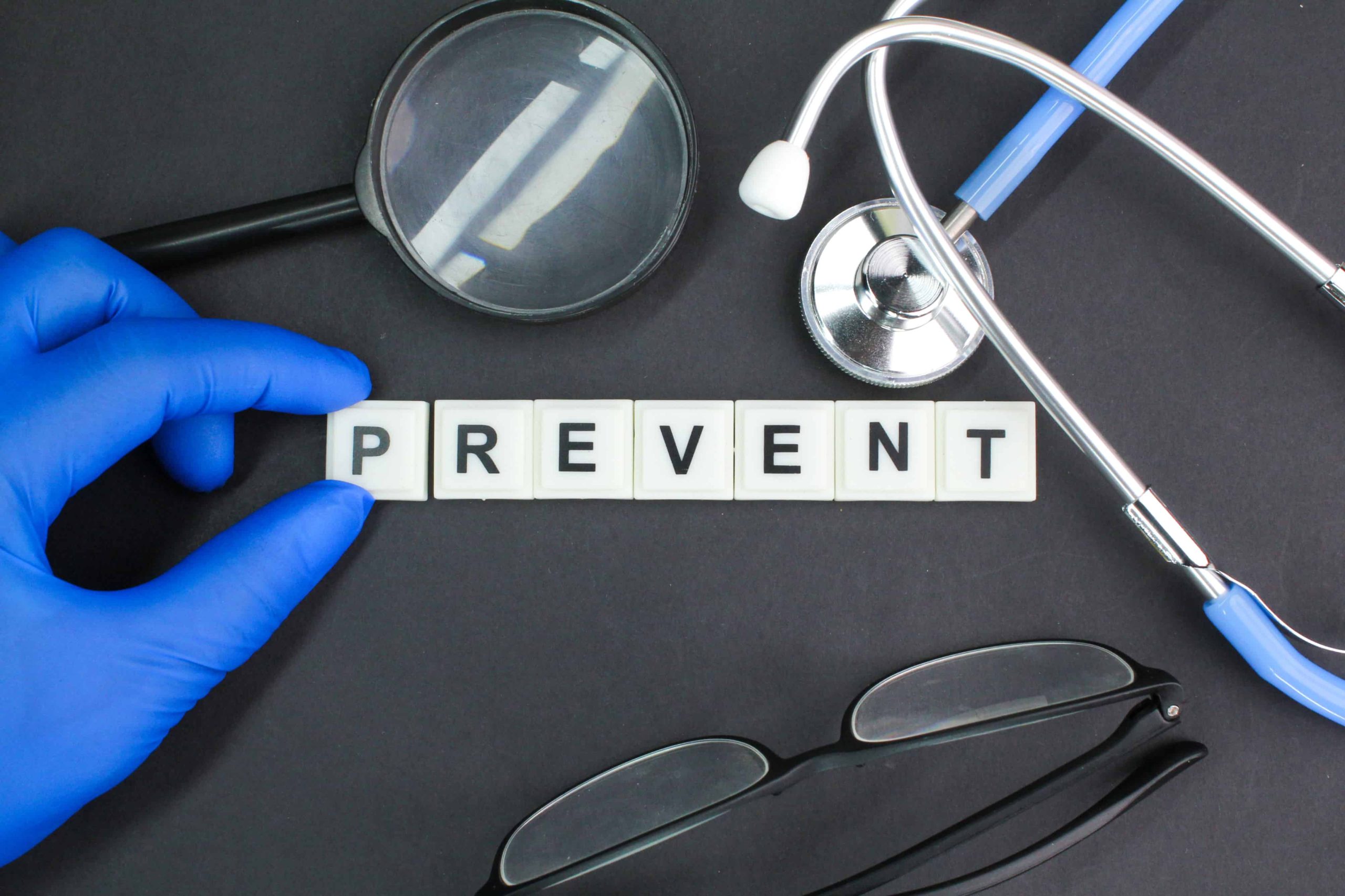



Routine health screenings are a vital part of preventive healthcare. They allow individuals to detect health issues before they become serious and costly. In addition to promoting better health outcomes, regular screenings offer significant financial advantages by preventing expensive treatments, hospitalizations, and complications. In 2026, most health insurance plans—including Medicare, Medicaid, employer-sponsored coverage, and ACA-compliant plans—cover routine screenings, emphasizing their importance in both health and cost management.
1. Understanding Routine Health Screenings
Routine health screenings are medical tests and evaluations performed on individuals who may not exhibit symptoms but are at risk for certain conditions. These screenings are designed to identify diseases early, monitor risk factors, and guide timely interventions. Common examples include:
- Blood pressure checks
- Cholesterol and blood sugar tests
- Cancer screenings such as mammograms, Pap tests, and colonoscopies
- Bone density scans
- Vision and hearing tests
- Vaccinations
By detecting potential issues early, routine screenings reduce the likelihood of severe complications and high-cost treatments.
2. Early Detection Saves Money
One of the primary financial benefits of routine screenings is early detection. Catching diseases in their initial stages often requires simpler and less expensive treatment than managing advanced illnesses.
- Cancer: Early detection of breast, colorectal, or cervical cancer allows for less invasive treatments, potentially avoiding costly chemotherapy, radiation, or extended hospital stays.
- Heart disease: Identifying high blood pressure or cholesterol early can prevent heart attacks or strokes, avoiding surgeries, emergency care, and rehabilitation expenses.
- Diabetes: Screening for prediabetes or diabetes allows for lifestyle management and medications that prevent complications like kidney failure or neuropathy.
Early detection reduces both the physical and financial burden of serious diseases.
3. Managing Chronic Conditions
Chronic diseases such as hypertension, diabetes, and high cholesterol are major contributors to healthcare costs. Routine screenings help monitor and manage these conditions before they escalate:
- Regular checkups: Enable healthcare providers to adjust treatment plans promptly.
- Lifestyle guidance: Encourages healthy habits to slow disease progression.
- Medication adjustments: Ensures effective treatment while avoiding overuse or underuse, which can lead to complications.
Proactive management through screenings prevents expensive long-term treatments and hospitalizations.
4. Reducing Emergency and Hospitalization Costs
Emergency room visits and hospital stays are among the most expensive forms of medical care. Routine screenings help prevent these emergencies by identifying risks early:
- Detecting high blood pressure or abnormal cholesterol levels reduces the likelihood of heart attacks or strokes.
- Cancer screenings prevent late-stage diagnoses that require costly inpatient care.
- Vaccinations prevent serious illnesses that could lead to hospitalization.
Preventive care helps patients avoid not only medical costs but also the personal and financial stress of unexpected emergencies.
5. Insurance Coverage Makes Screenings Accessible
Most insurance plans recognize the cost-saving potential of routine screenings:
- ACA-compliant plans: Cover preventive services like screenings and vaccinations at no cost when performed in-network.
- Medicare: Covers annual wellness visits, cancer screenings, and other preventive services.
- Medicaid: Offers preventive care for children and adults, ensuring access regardless of income.
With insurance coverage, individuals can receive essential screenings without significant out-of-pocket expenses, maximizing financial benefits.
6. Long-Term Financial Benefits
Investing in routine health screenings provides multiple long-term savings:
- Reduced treatment costs: Early interventions are simpler and less expensive.
- Fewer hospitalizations: Preventive care lowers the likelihood of costly inpatient care.
- Lower prescription costs: Managing conditions early decreases reliance on expensive medications for advanced disease.
- Increased productivity: Healthy individuals take fewer sick days and maintain work efficiency.
- Improved quality of life: Preventing severe illness reduces the need for long-term care or ongoing medical attention.
Over time, routine screenings can save thousands of dollars in healthcare expenses while keeping individuals healthier.
7. Tips to Maximize Screening Benefits
- Schedule regular checkups: Annual wellness exams ensure timely screenings and follow-ups.
- Know your insurance coverage: Understand which screenings are included and recommended frequency.
- Use in-network providers: Guarantees maximum insurance benefits and minimal out-of-pocket costs.
- Maintain health records: Track past screenings and results to avoid unnecessary duplication.
- Follow age and risk-based guidelines: Customize screenings based on personal and family health history.
Being proactive and informed ensures that you fully benefit from preventive care, both medically and financially.
Conclusion
Routine health screenings are more than just medical recommendations—they are a smart financial strategy. Early detection, chronic disease management, and risk monitoring prevent diseases from progressing to costly stages. With insurance coverage widely available for preventive services, individuals can access these screenings at little or no cost.
By prioritizing routine screenings, patients protect both their health and finances. Preventive care is an investment that pays off in improved health outcomes, reduced medical costs, and a better quality of life. Routine screenings are a simple, effective way to save money while staying healthy in the long run.