
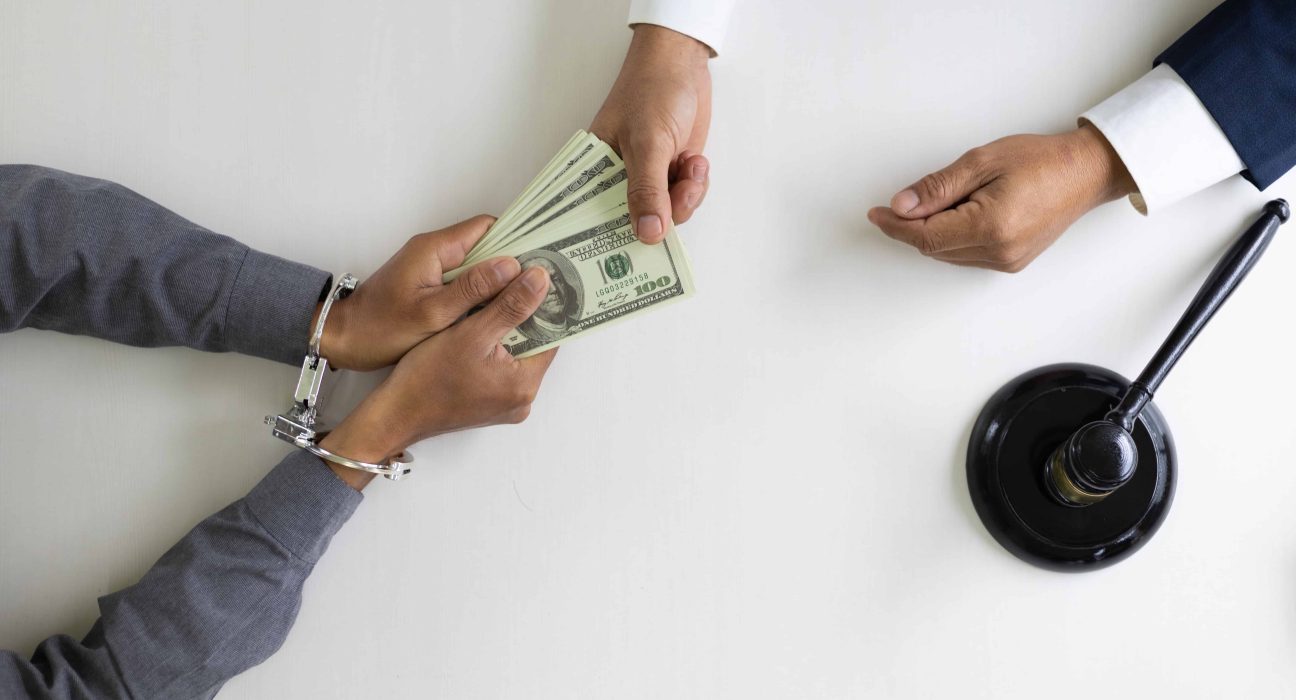
Medical scams are increasingly common in today’s complex healthcare system. Fraudsters target patients with false treatments, misleading claims, and identity theft, often leading to financial loss, incorrect care, and privacy breaches. Protecting yourself from medical scams is essential for safeguarding your health, finances, and personal information.
In 2026, with telemedicine, online pharmacies, and digital health tools becoming widespread, awareness and vigilance are more important than ever. Here’s a comprehensive guide to staying safe.
1. Recognize Common Types of Medical Scams
Understanding the different types of scams helps you spot red flags early. Common examples include:
- Fake medical services: Clinics or providers offering unproven or unnecessary treatments
- Phishing emails or calls: Requests for personal, insurance, or financial information pretending to be legitimate healthcare organizations
- Billing fraud: Charges for services not provided, duplicate billing, or upcoding to inflate costs
- Identity theft: Using stolen insurance information to receive care or submit claims
- Fake health products: Over-the-counter or online products claiming false cures or treatments
Being aware of these scams is the first step in protecting yourself.
2. Carefully Review Bills and Insurance Statements
Your Explanation of Benefits (EOB) and medical bills are crucial tools for spotting scams:
- Verify that each charge corresponds to a service you received
- Look for duplicate or unusual charges
- Confirm provider names, dates, and locations
- Question any services that seem unnecessary or unfamiliar
Regularly reviewing your medical statements helps detect fraud before it escalates.
3. Protect Your Personal and Insurance Information
Scammers often rely on stolen personal information. Protect yourself by:
- Keeping your insurance card secure and sharing it only with trusted providers
- Using strong passwords and two-factor authentication on patient portals
- Shredding documents with sensitive health or financial information
- Being cautious with emails, texts, or calls requesting personal data
Safeguarding your information is your first defense against medical scams.
4. Verify Providers and Services
Before seeking care or paying bills:
- Confirm that providers are licensed, in-network, and reputable
- Ask whether recommended treatments or tests are medically necessary
- Request an itemized bill for all services provided
- Research unfamiliar clinics or online health services before engaging
Verification helps prevent payment for fraudulent or unnecessary services.
5. Avoid Unsolicited Offers
Scammers often reach out with “special” treatments, free tests, or limited-time offers. To stay safe:
- Ignore unsolicited calls, emails, or social media messages about health services
- Avoid “guaranteed cures” or unapproved treatments
- Do not provide personal or payment information to unknown sources
If an offer seems too good to be true, it probably is.
6. Report Suspected Scams Immediately
If you suspect a medical scam:
- Notify your insurance provider to stop fraudulent billing or claims
- Contact the healthcare provider or clinic to verify the legitimacy of services
- Report the scam to federal or state authorities, such as the U.S. Department of Health & Human Services Office of Inspector General (HHS OIG) or your state’s consumer protection office
Early reporting protects others and may help recover lost funds.
7. Educate Yourself on Common Fraud Tactics
Knowledge is a powerful tool against scams. Stay informed about:
- Phishing attempts and fake telemedicine platforms
- Unnecessary or experimental treatments promoted online
- Common billing fraud tactics like upcoding or phantom services
- How identity theft can affect your insurance and medical care
Being informed makes it easier to recognize warning signs.
8. Monitor Your Health and Insurance Accounts
Active monitoring helps detect suspicious activity quickly:
- Track all claims, payments, and bills in your insurance portal
- Set alerts for unusual account activity
- Review EOBs and billing statements monthly
- Consider identity theft protection for added security
Timely monitoring allows you to act immediately if fraud occurs.
Conclusion
Medical scams can cause financial loss, compromised care, and privacy breaches. Protecting yourself requires vigilance, awareness, and proactive action. By reviewing bills carefully, safeguarding personal information, verifying providers, avoiding unsolicited offers, and reporting suspicious activity, you can reduce your risk of falling victim to scams.
In 2026, with the growth of telemedicine and digital health services, understanding these protective measures is more important than ever. Staying informed and cautious ensures that your healthcare experience is safe, secure, and trustworthy.