

Medical emergencies are unpredictable and can happen to anyone at any time. From sudden illnesses and accidents to unexpected hospitalizations, being prepared for healthcare emergencies is essential to protect both your health and finances. In 2026, with rising healthcare costs and increasingly complex medical systems, emergency healthcare readiness is more important than ever.
Being ready means more than knowing where the nearest hospital is—it involves planning financially, organizing important documents, understanding insurance coverage, and taking proactive steps to reduce risks. Here’s a comprehensive guide to help you achieve emergency healthcare readiness.
1. Assess Your Risk Factors
The first step in preparing for medical emergencies is understanding your personal and family health risks. Consider:
- Age and overall health: Older adults and those with chronic conditions are at higher risk.
- Family medical history: Certain inherited conditions may increase the likelihood of emergencies.
- Lifestyle factors: Occupations, physical activity levels, and hobbies can influence risk.
By assessing your risk factors, you can anticipate potential emergencies and prioritize your readiness plan.
2. Maintain Up-to-Date Insurance Coverage
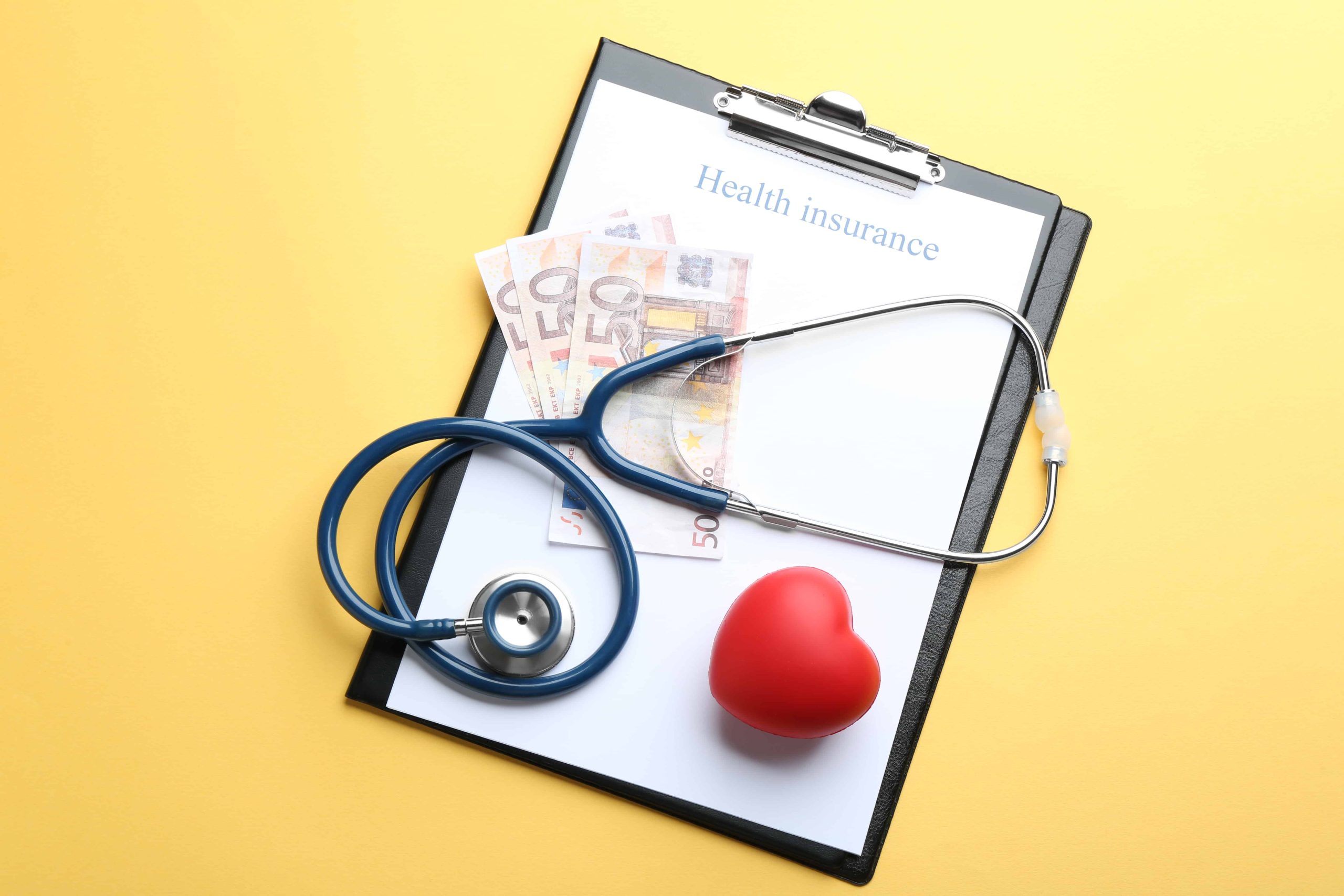
Health insurance is your primary safeguard against unexpected medical costs. To ensure readiness:
- Verify coverage for emergency room visits, hospital stays, surgeries, and medications.
- Understand deductibles, copayments, and coinsurance.
- Keep an updated list of in-network hospitals and providers.
- Consider supplemental insurance, such as critical illness or accident plans, to cover gaps.
Proper insurance coverage reduces the financial burden and ensures access to quality care during emergencies.
3. Build an Emergency Medical Fund
Even with insurance, out-of-pocket expenses can be significant. A dedicated emergency medical fund helps you manage these costs:
- Set aside a portion of your monthly income specifically for medical emergencies.
- Include funds for deductibles, copayments, and medications.
- Aim for at least three to six months of potential medical expenses.
Having a financial buffer allows you to focus on recovery rather than worrying about bills.
4. Organize Important Medical Documents
In an emergency, having accessible and accurate medical information can save time and prevent errors. Organize:
- Insurance cards and policy information
- Medical history, test results, and prescriptions
- Allergies, chronic conditions, and current medications
- Contact information for primary care physicians and specialists
Consider storing digital copies securely so that documents are accessible from anywhere.
5. Learn Basic First Aid and Emergency Procedures
Knowing basic first aid can make a difference in critical situations:
- CPR and AED use
- Managing fractures, cuts, burns, and allergic reactions
- Recognizing symptoms of heart attack, stroke, or severe infections
Enroll in certified first aid courses and keep a first aid kit at home, in your car, and at work. Being prepared can save lives before professional help arrives.
6. Plan Transportation and Access to Care
During emergencies, time is critical. Prepare by:
- Identifying the nearest hospitals, urgent care centers, and emergency rooms
- Keeping emergency contact numbers readily available
- Having backup transportation options if you are unable to drive
- Utilizing telehealth services for initial assessments or minor emergencies
Knowing where and how to access care quickly ensures timely treatment when minutes matter.
7. Communicate With Your Family
Family communication is essential during emergencies. Make sure your household knows:
- How to access your insurance and medical records
- Who is responsible for contacting emergency services
- Your healthcare preferences and advance directives
Clear communication reduces confusion and ensures that emergency care aligns with your wishes.
8. Plan for Long-Term or Chronic Health Needs
Some emergencies may require ongoing care or long-term support. Prepare by:
- Considering long-term care insurance for assisted living or home health aides
- Including future medical needs in your financial plan
- Researching government programs like Medicare or Medicaid for eligible support
Planning for long-term needs ensures continued access to care without jeopardizing finances.
9. Review and Update Your Plan Regularly
Healthcare and personal circumstances change over time. Conduct an annual review to:
- Update insurance coverage and emergency contacts
- Adjust emergency savings for inflation and rising healthcare costs
- Incorporate new medications or health conditions
Regular updates keep your emergency healthcare plan effective and relevant.
10. Take Preventive Measures
Prevention is a key part of readiness. Reducing the likelihood of emergencies can save money and improve health:
- Schedule regular checkups and screenings
- Maintain a healthy lifestyle, including proper nutrition and exercise
- Stay current on vaccinations and preventive care
Proactive health management reduces the frequency and severity of emergencies, supporting long-term wellness.
Conclusion
Emergency healthcare readiness is about planning ahead, being organized, and taking proactive steps to protect your health and finances. By assessing risks, maintaining insurance, building a medical fund, organizing records, learning first aid, and communicating with your family, you can respond effectively to unexpected medical situations.
In 2026, being prepared for medical emergencies ensures that you can access timely care, reduce financial stress, and safeguard your health and the well-being of your loved ones. Planning ahead transforms uncertainty into confidence, giving you peace of mind for whatever life may bring.