


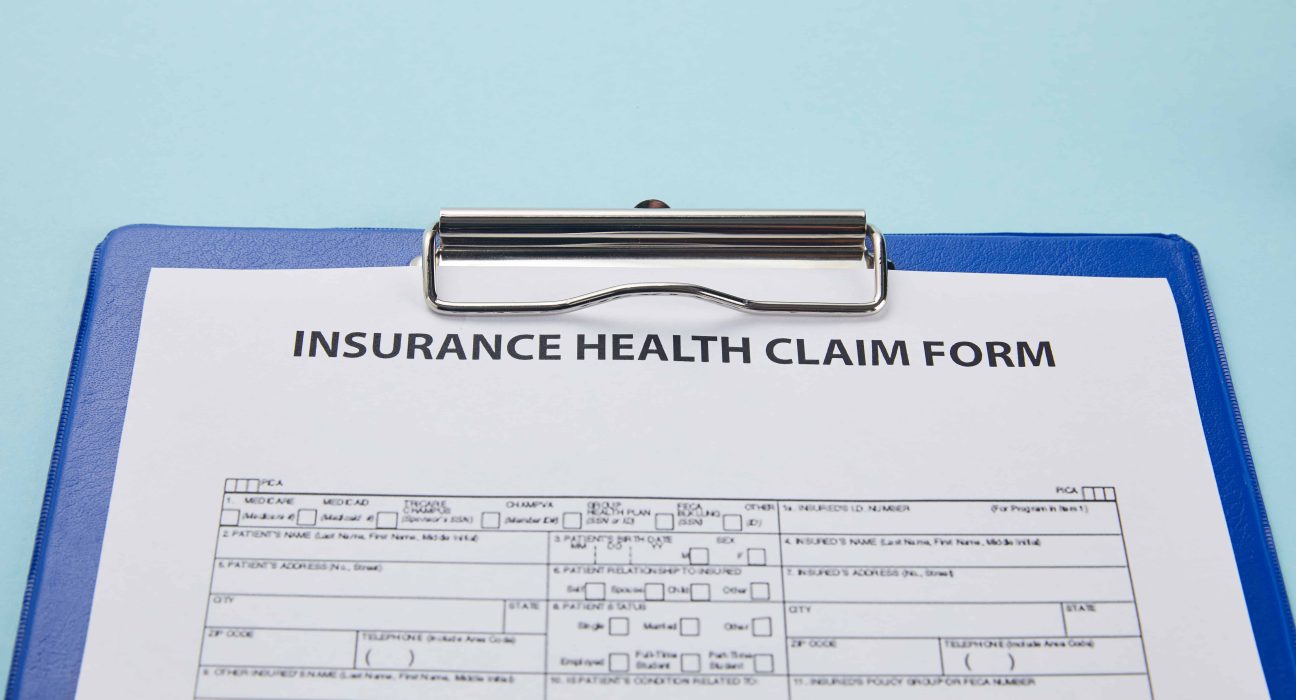
Filing a health insurance claim is a crucial step in getting reimbursed for medical expenses or ensuring your provider is paid. However, submitting a claim without the proper documentation can lead to delays, denials, or underpayment. Knowing exactly what documents are required and how to organize them can make the claims process smoother and faster.
This guide explains the essential documentation you need for health insurance claims in 2026 and tips to ensure your submission is complete.
1. Personal Information and Insurance Details
Before submitting any claim, make sure you have your personal information and insurance details ready. This includes:
- Full name, address, and contact information
- Date of birth
- Insurance policy number or member ID
- Group number, if applicable
- Social Security number, if required
Accurate personal information ensures that your claim is correctly linked to your policy and prevents processing delays.
2. Medical Provider Information
Claims require detailed information about the healthcare provider who delivered the service:
- Provider’s name, address, and contact information
- National Provider Identifier (NPI) or other identification numbers
- Provider’s tax ID, if needed for billing purposes
Incorrect or incomplete provider information is a common reason for claim rejection. Always double-check these details before submission.
3. Itemized Medical Bills
A key component of any claim is an itemized medical bill from your healthcare provider. This should include:
- Date(s) of service
- Description of procedures or services rendered
- CPT or HCPCS billing codes
- Charges for each service
- Total amount billed
Itemized bills help the insurer verify the services provided and calculate reimbursement. They are especially important for complex procedures or hospital visits.
4. Explanation of Benefits (EOB)
If your provider has already submitted a claim on your behalf, you may receive an EOB. This document shows:
- What portion of the claim was paid
- Amount denied, if applicable
- Patient responsibility (copays, deductibles)
- Reason for any partial or full denial
Including the EOB with your claim can clarify prior payments and reduce confusion during the review process.
5. Medical Records and Doctor’s Notes
For certain claims—especially those involving surgeries, specialized treatments, or experimental procedures—supporting medical documentation is required:
- Doctor’s notes explaining the medical necessity of the service
- Test results, lab reports, or imaging studies
- Referral letters or prior authorization approvals
- Treatment plans for ongoing care
These documents help the insurance company understand why the service was needed and support your claim in case of disputes or denials.
6. Prescription Information
For claims involving medications:
- Original prescription or pharmacy receipt
- National Drug Codes (NDC) for the medications
- Dates and quantities of medication dispensed
Pharmacy documentation ensures that prescription claims are accurately processed and reimbursed.
7. Authorization or Referral Documents
Some services require prior authorization or referrals from your primary care provider. Missing these approvals is a common reason claims are denied. Include:
- Approval letters from the insurance company
- Referrals from your primary care provider or specialist
- Any email confirmations of authorization
These documents demonstrate that the service was pre-approved under your insurance plan.
8. Receipts for Out-of-Pocket Expenses
If you are submitting a claim for reimbursement of expenses you paid yourself, include:
- Original receipts showing payment
- Proof of service, such as a date-stamped invoice
- Any explanation of copay or deductible contributions
These receipts verify the amount you are claiming and help prevent disputes.
9. Submission Forms
Many insurers require a completed claim form. Ensure your form includes:
- All required personal and provider information
- Details of services and costs
- Signatures, if required
- Any attachments referenced in the form
Incomplete or unsigned forms are often returned or rejected, causing delays.
Tips for Organizing Your Documentation
- Keep copies of everything you submit.
- Organize documents by service date for easier review.
- Label attachments clearly to match sections of the claim form.
- Submit electronically if possible for faster processing.
- Follow insurer-specific instructions to avoid delays or denials.
Conclusion
Submitting complete and accurate documentation is essential for a smooth health insurance claims process. Required documents typically include personal and insurance information, provider details, itemized bills, EOBs, medical records, prescriptions, authorization forms, receipts, and claim forms. Proper organization and attention to detail can reduce delays, prevent denials, and ensure timely reimbursement.
By understanding what documentation is needed and preparing it carefully, you can navigate the claims process efficiently and get the benefits you deserve in 2026. Being thorough, proactive, and organized is the key to successful health insurance claims.